The Impact
Every piece we save isone less made.
Making clothes takes a lot of water, energy and land, and most of what gets made ends up in a landfill. We work the other way round: start with what already exists and give it a longer, better life.
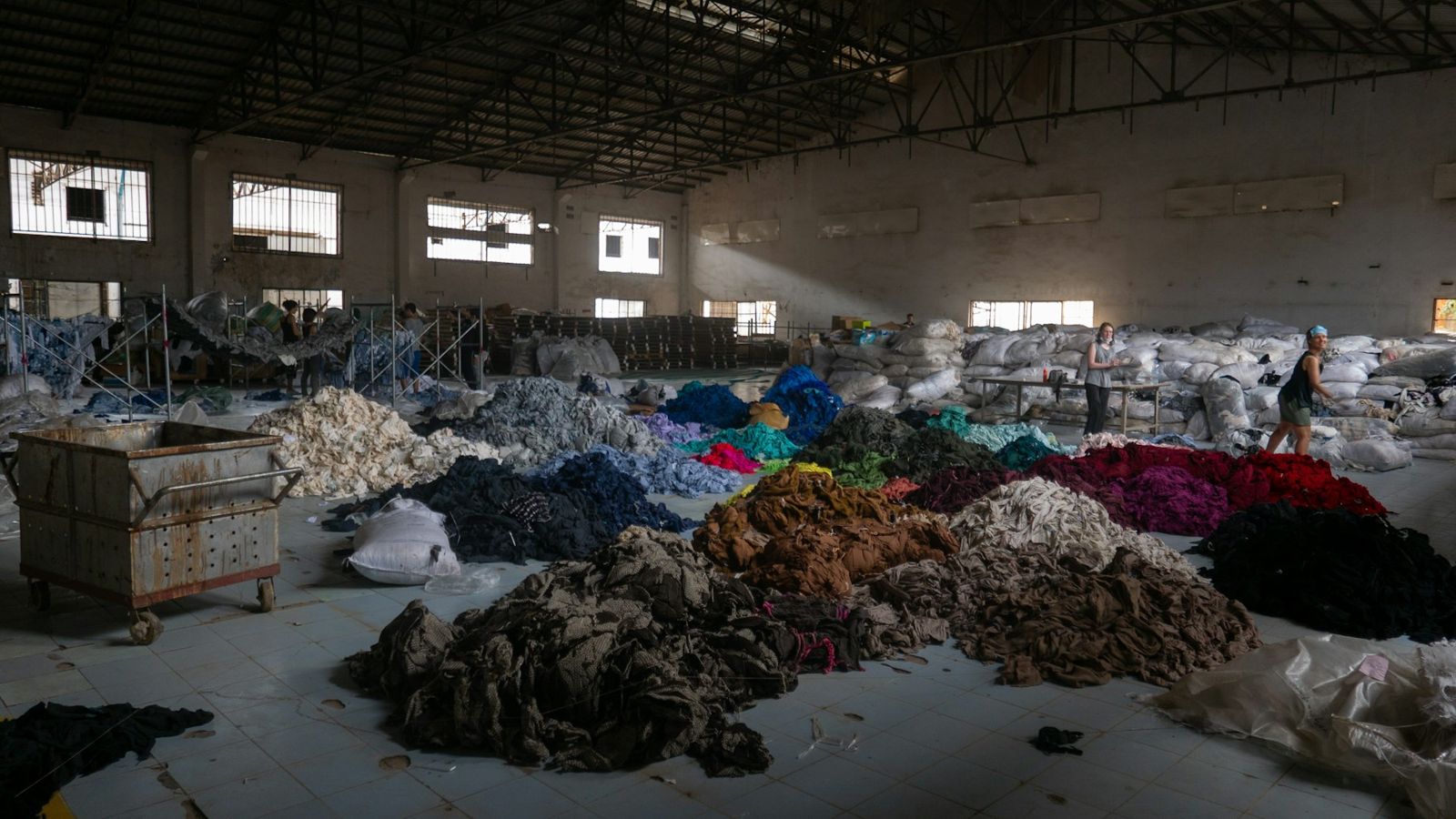 From landfill…
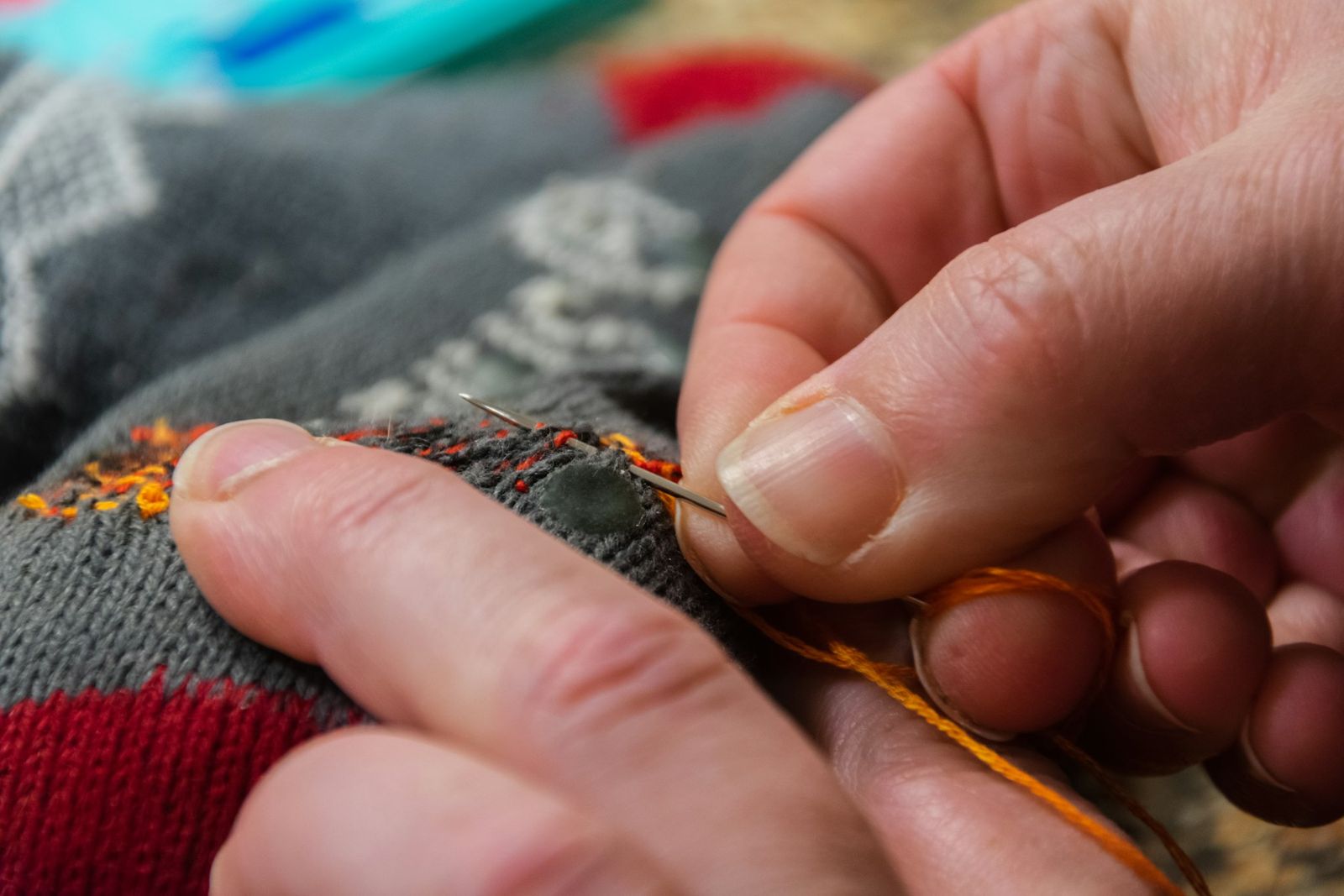 …to one of one.
Photos: Francois Le Nguyen, Joseph Sharp / Unsplash
The Problem
11.3 million tons
of textiles went to U.S. landfills in 2018
Only 14.7%
of U.S. textile waste was recycled (about 13% for clothing and shoes)
~2,700 liters
of water, estimated, to make one new cotton t-shirt
1 truckload / sec
of textiles landfilled or burned worldwide, every second
Under 1%
of clothing material is recycled into new clothing
36% fewer wears
per garment, on average, than 15 years earlier
Two Lifecycles
The usual path for a new garment, and the path a piece takes at Upcycleur.
New garment the usual path
- Grow cotton
- Spin & dye fabric
- Factory sew
- Ship overseas
- Worn briefly
- Landfill
Upcycleur the upcycled path
- Rescued from the bin
- Cleaned
- Refit & reworked
- Rehomed & worn for years
What One Rework Saves
Estimated resources saved by reworking one garment instead of making a new one.
Choose a garment
~856 galof water saved
~13 lbsof CO₂ avoided
~0.7 lbskept out of landfill
*Estimates of what making one new polo takes, credited to each piece we rework instead. Real savings vary by fabric, garment and source. See sources
The Bigger Picture
Climate
2–8% of global emissions
UNEP’s range for fashion and textiles. It’s wide because studies draw the boundary differently: about 2% (WRI) to 8% (Quantis). Either way, it’s a big share for one industry, and new production drives most of it.
Wear it longer
+9 months ≈ 20–30% less
WRAP’s UK modeling: keeping clothes in use nine months longer cut their carbon, water and waste footprints by roughly a fifth to nearly a third, provided it replaces buying new.
California
~1.2 million tons
Textiles Californians threw away in 2021, per CalRecycle. In 2024 the state passed SB 707, the first U.S. law making clothing producers fund reuse, repair and recycling.
Most of a garment’s footprint is spent before anyone wears it. In Levi’s life-cycle study of a pair of 501® jeans, growing the cotton was 68% of the water used over the jeans’ entire life. A rework skips all of that: no new fiber, no new dye bath, no new factory run. That’s why we count each rescue as one new garment avoided, and why we call our numbers estimates.
The impact
so far →
- Pieces rescued
- 0
- Kept out of landfill*
- 0 lbs
- Water saved*
- 0 gal
Counting starts with piece No. 001. *Estimates. How we count
Wear the difference.
One-of-one pieces that look good and do good.