Our Story
Made from whatwas already here.
Upcycleur is an upcycled clothing label from Los Angeles. We dig through the city’s bins, thrift racks and flea markets for garments with good bones, then refit and rework each one into a piece there will never be another of.
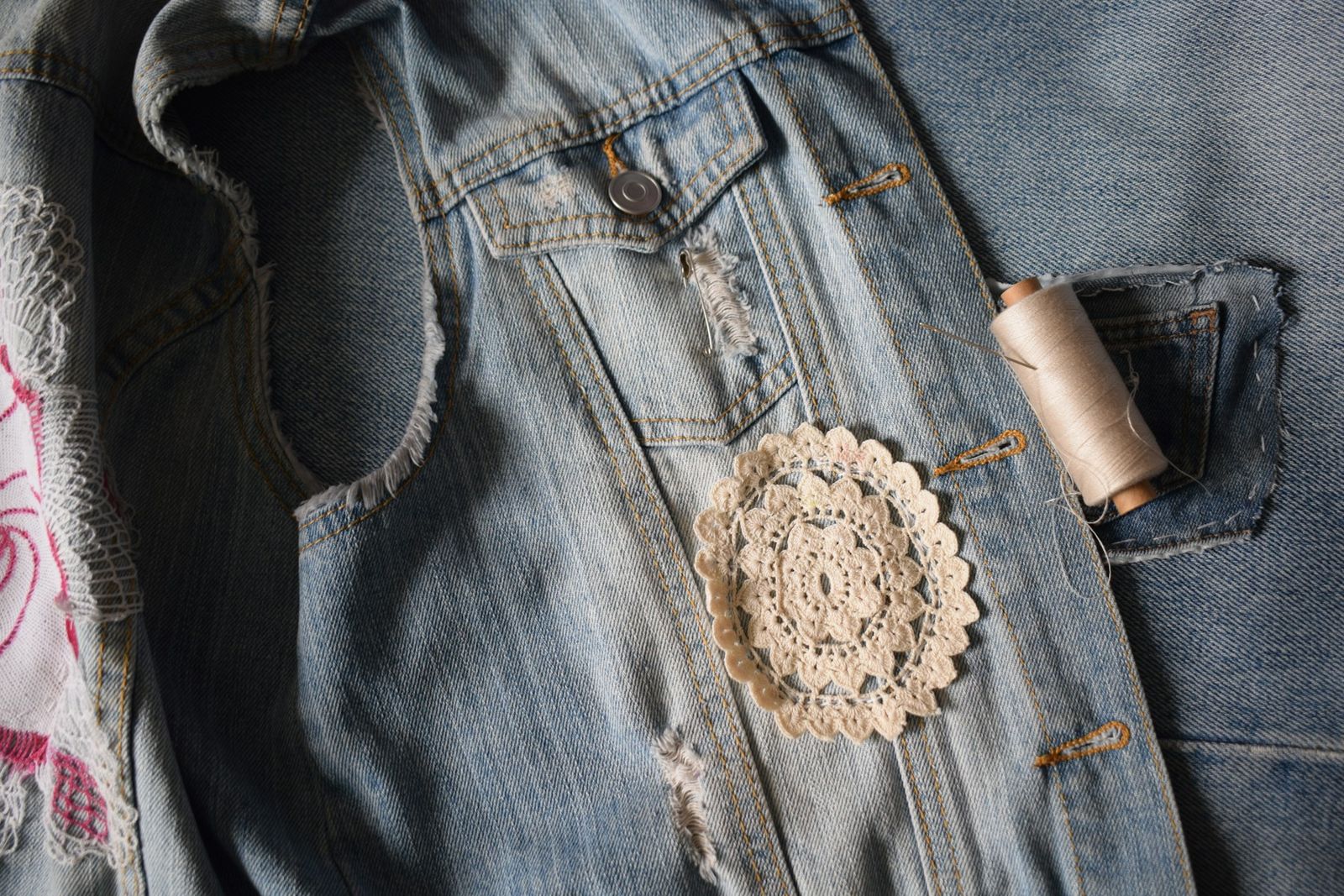
Photo: Marija Zaric / Unsplash
The Name
up·cy·cleur
noun, French-styled
One who upcycles. Someone who takes what other people threw away and makes it worth more than it was.
upcycle ur wardrobe.
the other reading
Say it fast and it’s an invitation. Buy one of ours, or grab a pattern from the DIY Shop and rework your own.
Why Upcycle
There are already more clothes in the world than anyone will wear out. In the U.S. alone, landfills took in an estimated 11.3 million tons of textiles in 2018, and less than 15% were recycled. Source
A lot of what ends up in the bins isn’t worn out at all. It’s the wrong fit, a dated cut, a stain on one sleeve, a missing button. Those are fixable problems. Fixing them is what we do.
Reworking a garment doesn’t take another field of cotton, another dye bath or another shipping container. It takes time, skill and a sewing machine, and the result is something that fits better and looks like nothing else on the street.
LA Roots
Los Angeles has made clothes for more than a century. Downtown’s Fashion District is still one of the largest garment manufacturing centers in the United States, even though it employs far fewer people than it did in the 1990s, before most production moved overseas.
It also has one of the deepest secondhand ecosystems anywhere: outlet bins where unsold thrift stock is sold by the pound, neighborhood thrift stores, vintage dealers, and big recurring flea markets like the Rose Bowl Flea Market in Pasadena (second Sunday of the month) and the Melrose Trading Post (every Sunday).
That’s our supply chain. Every Upcycleur piece is rescued here, reworked here, and labeled with the number that makes it one of one.
What We Believe
Start with what exists.
No new fabric runs. If a piece needs a panel, it comes from another rescued garment.
One of one, on purpose.
Every piece is numbered and never remade. If you see it on someone else, it’s the same piece.
Show the receipts.
Costs, labor time and impact for every piece, published, with sources for every number.
Pay for the hours.
Sewing is skilled work. We cost it by the hour, never by the piece.
Honest about the old.
Fades, mends and quirks are shown and described, not hidden.
Credit, don’t copy.
We say where a garment came from and never add or fake brand logos.
See how a piece gets made.
The Process